What We Carry Forward
For the Trust-Based Philanthropy Project, 2025 was a year of responsive action, inquiries, and experiments. This work yielded some wins, some challenges, and some profound lessons. We are taking stock of the invaluable lessons gained over the last year, and what it means for our work ahead.
We learned the power (and pitfalls) of using a pledge to organize funders
In March 2025, we launched the Meet the Moment Commitment, a call-to-action for philanthropy to stand in solidarity with nonprofits, in response to the federal administration’s actions to destabilize our communities.
As a result of the pledge, we have reenergized existing connections and forged new ones. We garnered more than 200 signatories — mainly small to midsize intermediary grantmakers, community foundations, family philanthropies, and place-based funders committed to trust-based philanthropy. While the majority of signatories may be considered “small” based on their asset size, we swiftly learned that many are having outsize impact because of their deep relationships and nimbleness — punching well above their weight class.
We also learned some instructive lessons about organizing funders during a time of political upheaval:
Regional and issue-based differences require smaller group coordination. We started by organizing signatories through national Zoom meetings. But given distinct political and social challenges within regions and issue areas, we learned it was more effective to convene smaller groups based on location or affinity.
Broad-ranging recommendations can inhibit public endorsements. We developed a substantive list of recommendations based on feedback from nonprofits, representing the wide range of actions that would be most helpful to them. The actions ranged from simple and straightforward (e.g., checking in on grantees) to structural (increasing grantmaking budgets and extending multiyear commitments). While the spirit of the pledge was mainly for funders to express their solidarity with nonprofits, some funders were hesitant to commit to the pledge in its entirety due to their inability to secure board approvals for bigger changes.
There are real risks and concerns in foundations taking a public stance. Our pledge garnered far fewer sign-ons than the 2020 COVID Pledge, which was similarly rooted in a vision of trust-based philanthropy as a strategy to support nonprofits’ stability and resilience. But we are in a wildly different climate than we were six years ago. The federal administration's targeting of major institutions has led to reasonable concerns from foundation leaders about the risks of being too public.
Public or not, the ethos of trust-based philanthropy is alive and well
The sector now has an abundance of initiatives, pledges, and efforts — all hoping to inspire and align philanthropy toward meaningful action. Yet, we are still seeing very limited public, coordinated action. We wanted to better understand why this was happening, so we reviewed data from our pledge and commissioned independent research to interview a range of funders. We heard from anonymous signers, funders who signed other pledges, and funders we see as values-aligned but who do not publicly use the trust-based philanthropy framework. Here’s what we learned:
Many funders had already quietly embraced actions in the pledge. Many of our early signatories — especially those who fund in vulnerable communities and in politically fraught areas — had already increased their grantmaking budgets, extended multiyear commitments, and offered legal and non-monetary support to their partners. These funders had been steadily increasing their support over the last several years, in response to the ripple effects of COVID and state-level political targeting. These smaller under-the-radar funders had been taking these bold actions with little fanfare, as bigger foundations were being celebrated for taking bold, “new” action.
Funders “meeting the moment” get affirmation primarily from community and grantee relationships, not from peer validation. While peers are valuable for learning and emotional support, they are often not the primary source of cover when funders face internal or external pressure. Many trust-based funders rely on participatory processes, listening mechanisms, direct feedback from nonprofits, and community affirmation to justify decisions to boards and withstand scrutiny.
Funders in rural and/or politically-divided areas are aligned with trust-based philanthropy but are deliberately quiet. These institutions have embraced multi-year unrestricted funding, streamlined reporting, and deep relationships with their grantees. However due to legitimate concerns about institutional safety and risk — they choose not to participate in public pledges. For many, visibility is understood as something that must be earned through consistent practice and community affirmation, rather than declared upfront.
For many, “meeting the moment” is about maintaining the quality and integrity of existing relationships under strain, rather than pursuing aspirational checklists. This core element of TBP is already battle tested — from the COVID era through this era of historical upheaval. Trust-based partnerships with flexible, reliable funding is the main way for funders to be responsive to the needs of communities and the nonprofits they rely on. Thus, for smaller foundations, the most significant barriers to expanding trust-based practices are staff capacity and internal organizational alignment.
The trust-based framework plays a legitimizing role among funders who feel accountable to their communities. The framework has offered language, legitimacy, and moral grounding for practices many funders were already moving toward. This has been especially important for funders in areas where trust-based philanthropy is not the norm. Many of these funders have found a sense of community through the Trust-Based Philanthropy Project, where they do not feel alone in maintaining equity and relational practices amid backlash or political contestation.
What we’ve learned over the last year has been indelible, and has helped us clarify the path ahead. What do we carry forward into 2026? Each other, and the hard won lessons we are collectively harvesting on how funders can tangibly improve conditions for a hobbled non-profit sector, the communities in peril that they serve. In the year ahead, we will:
Connect intimate groups of trust-based advocates from around the country to learn about each other’s organizing efforts
Facilitate localized, flexible funder collaborations with focused action goals
Energize peer learning with new engagement strategies for our peer exchange and more turnkey resources for self-guided learning and assessment
Explore the barriers and opportunities for increasing board and trustee commitment to trust-based philanthropy
Elevate the power of funder-nonprofit solidarity, by spotlighting success stories that are getting overlooked in the headlines
Ultimately, our work and commitment is to make a positive difference for the nonprofit sector and the communities they serve. This is our north star. So the sentiments of the Meet the Moment pledge are still essential to realizing a strong, vibrant, multiracial democracy. What we carry forward are the relationships and lessons we have forged, as we continue to press tirelessly for funders to pay close attention to the needs and dreams of nonprofits and the people they serve.
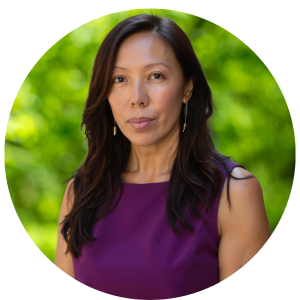
Pia Infante is Co-Executive Director and Co-Founder of the Trust Based Philanthropy Project.