Trust-Based Blog
Reimagining philanthropy begins with learning out loud.
By sharing ideas, with curiosity and humility, the Trust-Based Philanthropy Project blog features trust-based grantmakers who talk about their own lessons, questions, and aha-moments along their power-sharing journeys.

Trust-Based Philanthropy Virtual Summer Learning Series
The Trust-Based Philanthropy Project, in partnership with Philanthropy Missouri, Grantmakers of Oregon and Southwest Washington, Grantmakers of Western Pennsylvania, and New Mexico Association of Grantmakers, Philanthropy Colorado, and Connecticut Council on Philanthropy are pleased to announce a 3-part virtual series on the values and practices of what it means to be a trust-based grantmaker.

Should I Stay Or Should I Go?
What happens when a foundation’s work strives to be trust-based, but its internal culture is anything but? We get this question a lot from foundation staff whose workplaces have embedded legacies and structures that seem counter to the core values of a trust-based approach. Here are a few clarifying questions to consider about your role in supporting this work.

How Philanthropy Can Move from Crisis to Transformation
We are in a once-in-a-lifetime opening to transform philanthropy: let's use it, writes Dimple Abichandani, Executive Director of the General Service Foundation. In this moving reflection on the year of COVID, racial justice uprisings, elections, and more, Abichandani writes about the new philanthropy that is ours to create.

There Is No Trust-Based Philanthropy Without Equity
We’re introducing our updated Trust-Based Philanthropy Overview! When it comes to the role of funders, we believe that trust-based philanthropy cannot be operationalized without addressing built-in biases, systemic racism, and other inequalities. This updated Overview reflects our approach, and underscores that we can’t achieve trust-based philanthropy without centering and working toward racial equity.

How bi3 is Building On, and Building In, Trust
When bi3 launched, the trust-based philanthropy movement had not come into being, but their practice was already aligning with the core principles that drive it. Over time, bi3 adopted a more trust-based approach that has made them more effective funders, and also fuels their ability to collectively achieve their mission of transforming health for all people in Greater Cincinnati, and beyond.

We Are Not OK, And You Don’t Have To Be Either
“To watch this deadly violence unfold, incited by our own political leaders, is fresh trauma on top of old. It. Is. Not. OK. We are not ok. We want our philanthropy and nonprofit colleagues—especially those who may feel alone in your institution or community—to know that we see you, and that we are holding you in our response to this collective trauma.”

Will Philanthropy Be Trust-Based By 2024?
"If before 2020, a dim light shined down on the rusty, outdated practices of our sector, flood lights now illuminate the need for change." On the Trust-Based Philanthropy Project's one-year mark, our director Shaady Salehi asks, Will Philanthropy Be Trust-Based by 2024?

Dear MacKenzie Scott, Thank You For Your Trust-Based Philanthropy
In this letter to MacKenzie Scott, The Whitman Institute’s co-executive director Pia Infante reflects on Ms. Scott’s 2020 giving. “Ms. Scott, you have changed the philanthropic landscape – for good – and shown that a non-traditional, more equitable way of giving is possible.”

How One Foundation Became The First (Trust-Based) Follower
As president of the Robert Sterling Clark Foundation, Philip Li has taken the foundation in a decisively trust-based direction. In this interview, he shares what’s at the core of this decision, how he became a follower (in the best way), and what advice he has for those considering a trust-based approach.

Grantee Perspective: The Deep Architecture of Trust
After receiving a Stanton Fellowship from the Durfee Foundation in 2012, Paula Daniels realized the profound power of a culture built on trust. Paula reflects on this experience, and the transformative path it opened. “I’ve come to realize,” Paula shares, “that trust has a deep architecture, and is built one respectful brick at a time.”

Foundation Leaders, It’s Time to Shrink the Gap Between Words & Deeds
As a trust-based philanthropy advocate and co-executive director of The Whitman Institute, John Esterle has long considered multiyear general operating support a best practice for effective grantmaking. In this Center for Effective Philanthropy blog post, Esterle unpacks why so many foundation leaders support this approach in theory, but stop short of actually providing it.

The Secret to Making Decisions in Times of Crisis
What does it really take for a foundation’s staff and board to make productive decisions together in times of crisis? Durfee Foundation President Carrie Avery explains that for Durfee, it is all about trust – both with grantee partners, and also the trust they’ve built internally as a staff and board.

Introducing The Ethos of Being Trust-Based
The Trust-Based Philanthropy Project, Philanthropy California, and GEO are excited to launch a new five-part webinar series: Ethos of Being Trust-Based. The series will run from December 2020-April 2021, and is open to all participants.

How Hill-Snowdon Foundation Became More Creative, Responsive, and Trust-Based
Nat Chioke Williams is the Executive Director of the Hill-Snowdon Foundation. We sat down with him to hear more about the foundation’s work to further equity and justice, and the processes they’ve put in place to make that possible.

The Compton Foundation’s Trust-Based Approach to Spending Down
Ellen Friedman has been executive director of the Compton Foundation for 10 years. We sat down with Ellen to hear about her trust-based journey, and the Foundation’s decision to spend out rather than exist in perpetuity.

Adapting and Accountability in Philanthropy
In the face of uncertainty and change, what is philanthropy’s purpose both right now and in helping to deliver a just and sustainable recovery? Solomé Lemma, Executive Director of Thousand Currents, reflects on the future of philanthropy and why it must be trust-based.

Trust-Based Philanthropy Begins With Confronting Systemic Power Imbalances
Leaders in philanthropy have stepped up and spoken out about the many ways philanthropy has upheld and reinforced systemic racism and white supremacist culture. For many in the sector, this is a tough pill to swallow, but it is necessary medicine if we truly want to achieve a vision of a more equitable, sustainable, and democratic society.
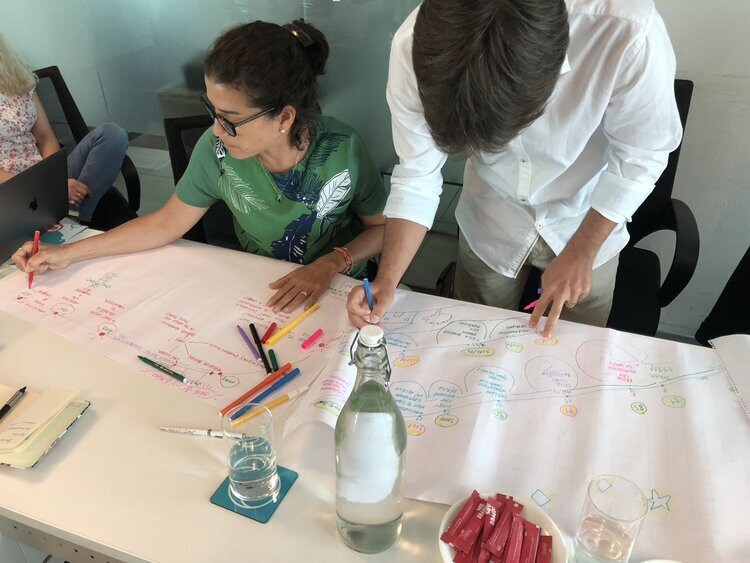
No Agenda, and Other Lessons from Global Fund for Children
Because the Global Fund for Children’s work is child- and youth-centered, it’s inherently about power. In recent years, the Fund has examined what true collaboration looks like not only in their grantmaking, but in the myriad of ways that funders can provide additional support. We sat down with Vice President of Programs Corey Oser to hear more.

A Tale of Two Funders
Amber Twitchell has worked in the nonprofit sector for almost 20 years. The current crisis has presented challenges she has never seen before. In this blog post, she reflects on the range of experiences she’s had with funders in response to covid-19. Amber highlights two foundations from the same community, yet still worlds apart.
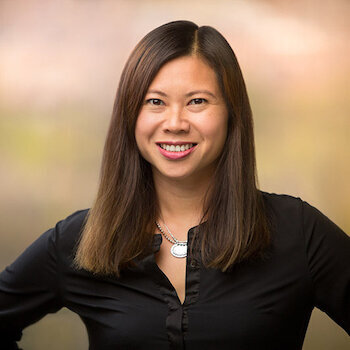
For Weissberg Foundation, Trust-Based Philanthropy Starts With Internal Culture-Building
The Weissberg Foundation in Arlington, VA is a justice-oriented family foundation that has always leaned on its values to drive its grantmaking. In 2016, Hanh Le took the helm as the organization’s executive director, which set the organization on a learning journey to be more intentionally power-aware and trust-based.