The Micro Is Macro: On Activating Locally, and Never Being “Too Little”
By Pia Infante
“But we are so little,” Kelley Griesmer, President of the Women's Fund of Central Ohio, said with a shrug.
This shocked me, as Kelley had just finished describing the ways the Fund has shown up for its communities in the last year: protecting women’s access to reproductive care, supporting frontline advocacy for trans communities, and working to rally other funders in the region.
I responded, “Kelley, you are big! This work you lead is big.” Because impact is not just about the amount of resources you have as a funder; it’s about who you’re accountable to, and how you show up for communities in need, time after time.
Every step we take toward increasing the resilience and regenerativity of communities under attack, every body of work we conduct to practice democracy and collaboration and take care of each other — it means something. This is especially true now, when nonprofits are in crisis and encouraging funders to do all they can.
In this era, the micro is macro. Even tiny actions compound when we do them together.
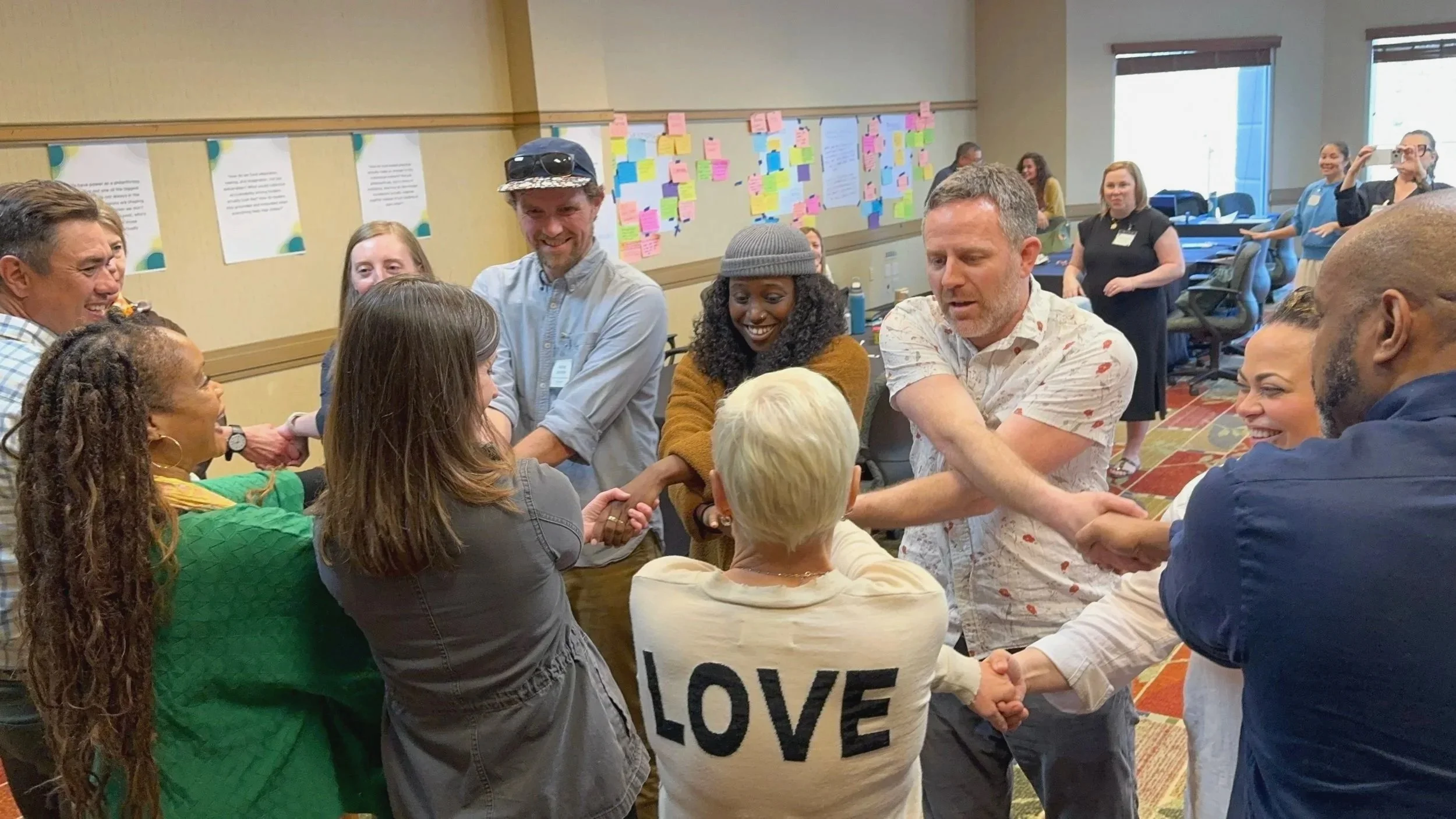
Funders and partners connecting during TBP’s 2026 Leaders Lab
The Power of Local Action
Local and regional organizing is a great example of this. Our deep conviction at The Project is that our work should help trust-based leaders build an ecosystem of trust with each other at a local level that requires more strategic collective action.
I’m inspired by how The New Capitalism Project described their own lessons from building and supporting an ecosystem to tackle wicked problems: First, experiment with fit-to-purpose collective action and funding structures. Second, support shared leadership and strategy development. Third, build and sustain a movement ecology to support systemic change.
We’re excited to focus more on supporting local and regional organizing at The Project. A pilot in Philadelphia demonstrated the power this kind of ecosystem can have.
The Philadelphia Story
We started a pilot in Philly last year, the key collaborators being local trust-based funder Mailee Walker, Executive Director of the Claneil Foundation; local nonprofit leader turned consultant Marisha Marsh; and myself.
Mailee invited peer funders into a gathering that centered around the potential for collective action, based on TBP’s ways to meet the moment: mobilize (more) resources, move in solidarity with nonprofits and communities, and nurture possibility.

The funders in the room were feeling the need to step up and take even more action to support Philly nonprofits and protect their communities.
So someone suggested, “What if we keep meeting after today?”
It was a simple question that lit a bright spark and birthed a pilot model that funders in other cities soon wanted to emulate.
A Ripple Effect
The Project has brought people together in many configurations before, but we hadn’t necessarily done so with a long-term regional or local focus.
The circle of funders in Philadelphia has become an organic blueprint for taking action together to make a local impact. They began to meet regularly on their own, thinking about how they could build on their trust-based practices and show up uniquely for Philadelphia and the local communities’ needs.
When others heard the Philadelphia story at the March 2026 TBP Leaders Lab (which brought together funders like Kelley and Mailee and many others with similar orientations to facilitative leadership), funders from Cincinnati; Pittsburgh; Lake County, Illinois; Seattle; and New York were immediately interested in trying it.
“In this era, the micro is macro. Even tiny actions compound when we do them together.”
We’re invigorated by this budding approach, and it’s prompted me to reflect on some learnings and reminders:
1. Small and midsize funders have long been local powerhouses.
I think back to Kelley at the Women's Fund of Central Ohio. Like many trust-based funders, she’s not in this work for ego. A former trial lawyer and unapologetic feminist who leads with a social justice frame, she is in this for purpose and building collective power. And she’s one of dozens of funders doing hard, important work in some of the most complex political regions of the country.
We’re living in an immensely difficult time for civil and human rights in the United States (and globally), but some parts of the country have been facing these headwinds for longer than any one administration.
There have long been funders, nonprofits, and local leaders working to protect vulnerable communities on the ground, finding creative ways to operate in oppressive circumstances, and building resistance and power. We need to listen and learn from them so we can take these practices to other regions.
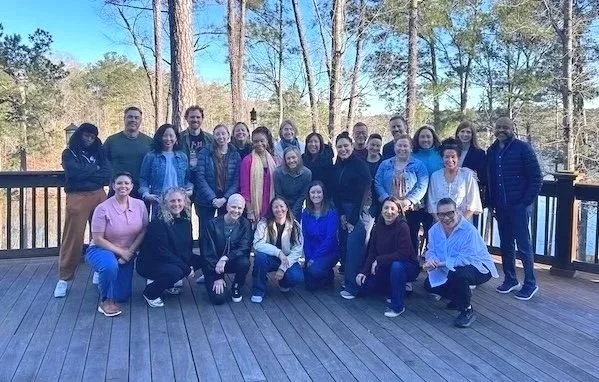
The TBP Leaders Lab group
2. Many funders are feeling isolated.
Regional funder circles are a way to connect with people close to you who also want to take progressive action. I saw the power of the “in-person effect” at our Leaders Lab gathering too.
Funders who aren’t based in progressive cities have shared that they don’t always feel part of a collective that’s supporting communities under attack. We’re hoping to connect the dots at the Project and be a hub where all funders can feel like they’re working collectively toward progress.
3. Despite today’s circumstances, the micro is truly macro, and there are places where you can creatively resource communities and organize peers.
Even holding onto the belief that we are never “too little” and that we can have outsized impact is critical. Let’s continue to find these places and take action.
4. Trust-based approaches and regional approaches often go hand in hand.
When I think about the funders most committed to trust-based philanthropy, many of them are actually very regionally focused. Long-term collaborations of trust are vital in locally and regionally centered work.
To other philanthropies and funders: Have you been working regionally yourself? What are you learning? What would you like to catalyze? Reach out or let us know in the TBP Peer Exchange. We'd love to keep learning and growing fresh forms of activation with you during these harsh times.
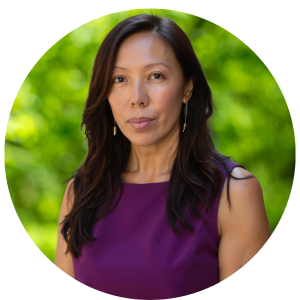
Pia Infante is Executive Director and Co-Founder of the Trust Based Philanthropy Project.
Cover image © Cihan Koyun from Dreamstime