By Kim Berry Jones
On a gloomy January morning, 10 years into leading a nonprofit organization, I woke up from my fourth surgery in roughly two months. As I emerged from the anesthesia, my first thought was, “My time in the nonprofit space has ended.” My life depended on it.
After ignoring the messages my body sent me for years, it took an unignorable health crisis to wake me up. An emergency surgery to address a life-threatening compression of my spinal cord was followed three weeks later by a double mastectomy after a breast cancer diagnosis.
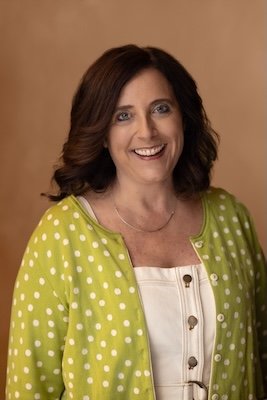
Kim Berry Jones is President at The Kinship Fund
I found myself in and out of the hospital until that day in January when I woke up with the clarity that I wanted to live — and that would require some life changes.
The Other Side of the Table
I didn’t just come to the philanthropic sector for a new job. I came with the calling that my experience could propel change, and that together we could imagine a better way.
When I arrived at the other side of the table, as president of The Kinship Fund, the position of power was not something I took lightly. I’d spent over a decade in the hustle, tap dancing for foundations to keep our programs funded. I knew I could lead a foundation differently than what I had experienced, but I wasn’t sure how.
As I looked for people who also believed that the ways foundations interact with nonprofits should and could be changed, I quickly found the Trust-Based Philanthropy Project. And there in their generous resources, I found a roadmap for the direction I wanted to go.
Authentic Kinship
I am a huge fan of Father Greg Boyle of Homeboy Industries, the world’s largest reentry organization for formerly gang-involved and previously incarcerated people. He says that when we’re out “to help people,” it’s still all about us, but when we are willing to walk in true partnership, that’s where we find the mutuality that builds authentic kinship.
This was my ethos when I began to build The Kinship Fund, a private foundation focused regionally in San Diego on the pillars of ending the incarceration of youth, the pursuit of education to end poverty, and the development of whole-person health.
“I knew I could lead a foundation differently than what I had experienced, but I wasn’t sure how.”
I sit in a unique position, with the authority to design an organization from the ground up. I interrogate every process and priority, holding them up to the standard of relational grantmaking, striving to be a partner in the community rather than a benefactor.
The core practice is walking in authentic relationships with nonprofit leaders, and making a habit of not sitting at the head of the table.
When we represent a foundation, we enter the room in a position of power. While we cannot fully shed that reality, we can leverage it on behalf of our partners. I often represent and advocate for The Kinship Fund’s nonprofit partners when they are not in the room.
The Kinship Fund also seeks to take weight off our nonprofit partners’ shoulders through:
Unrestricted, multi-year grants
Annual listening sessions in place of written reports
A learning and evaluation project focused on how the foundation impacts our partners rather than on nonprofit outcome metrics
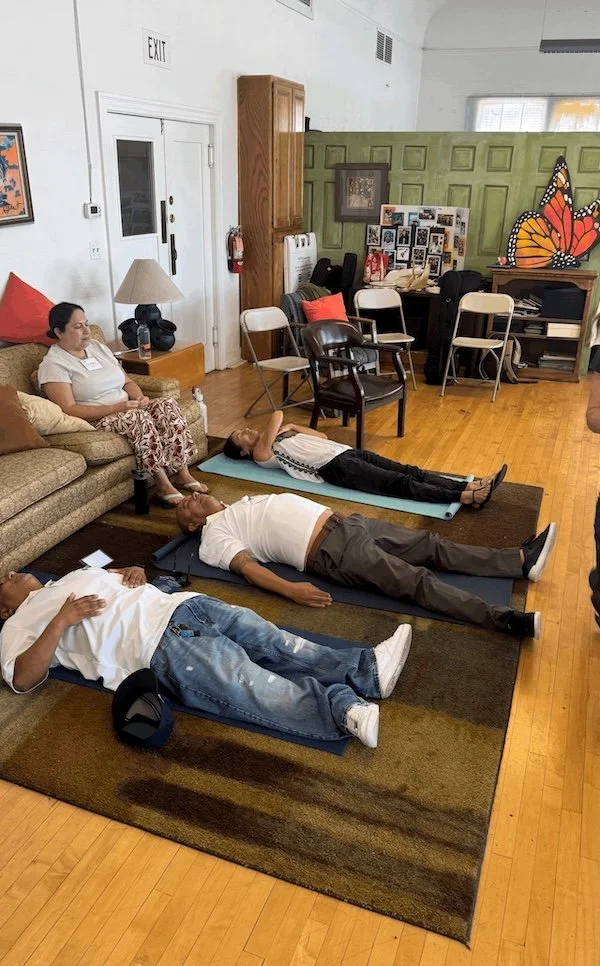
The Kinship Fund’s Third Space initiative brings partners together to center their wellbeing.
My own body taught me what the nonprofit hustle costs, and I bring that with me into every relationship. I never want a partner to wake up the way I did and realize they can’t go on. Our Third Space initiative helps address this by bringing partners together regularly to rest, renew, and center their own wellbeing.
Trust in San Diego
San Diego’s philanthropic landscape is fairly traditional, with a small number of large private foundations and a regional community foundation providing most of the private funding.
While the language of trust-based philanthropy has caught on, many of the practices are still living in the deep grooves that have formed over generations of philanthropic practice. Nonprofit partners told me that they hear about trust-based philanthropy but often don’t experience it on the ground.
I wondered how I would be received, a new foundation leader representing a small endowment, who was entering the space with an agenda to shake up philanthropy as we know it.
I’ve been on a crash course of learning while also committing to the long game of systemic change. In the midst of this, I am finding my allies in the philanthropic space: people who share my desire to walk in relationship, center community, and pursue catalytic change for our sector.
I’m also finding an openness to unconventional ideas and a willingness to work together to imaginatively support community leaders and organizations that are providing services in a heavily strained environment.
One way I've done this is by partnering with Catalyst San Diego & Imperial Counties, our local PSO, to launch a regional trust-based philanthropy cohort. The gatherings bring together leaders from across the region representing foundations of all sizes to investigate how each of us can bring trust-based practices to our work.
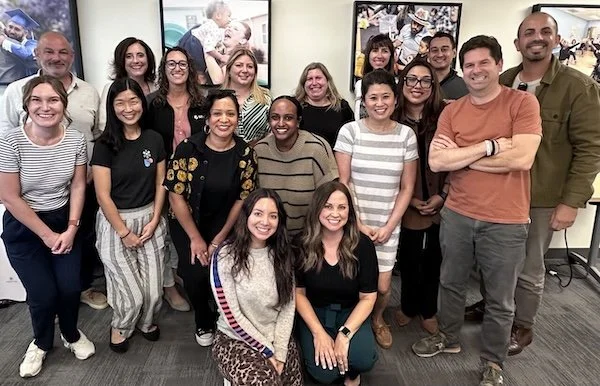
The San Diego TBP cohort
Forging Ahead
Trust-based philanthropy does not just mean changing our grantmaking practices. It means we remember our humanity and the humanity of everyone we work with. It calls us to regularly name our power and position, and set aside our ego so community leaders are centered.
Those who carry the weight of the entrenched inequities of our society also carry the wisdom of what needs to be done to bring change. Often, we need to get out of the way.
That January morning is never far from my thoughts, and as I mark four years since my health journey began, what I hold close each day is the undeniable belief that, as funders, we can live and act with more imagination. That belief also comes with a palpable feeling that hope is bubbling up, and true kinship is shifting us into new possibilities.
Kim Berry Jones leads the San Diego-based Kinship Fund, a private foundation focused on embedding the wellbeing of their grant partners into the practice of philanthropy and facilitating the Youth Mentorship Collaborative and the Place-Based Project to Support Refugees & Immigrants.