Living Our Values: Adapting & Iterating in Tumultuous Times
We’re evolving toward a new chapter at the Trust-Based Philanthropy Project — but the concept of change itself is nothing new for us.
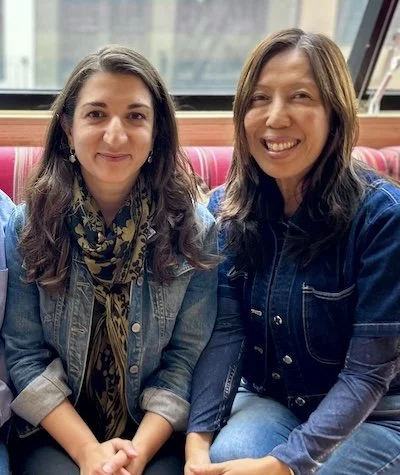
As of April 1, 2026, Pia Infante, Co-Founder and Co-Executive Director, will become sole Executive Director of the Project, and Shaady Salehi will move into a newly defined role as Senior Fellow.
We’ve both played different roles at the Trust-Based Philanthropy Project over the years, and we’ve built a strong partnership and collaboration model that will continue to serve us. This new phase exemplifies how we believe in adapting, evolving, and iterating to meet the needs of the times. We always strive to be in a forward-leaning mode of testing and learning as an organization.
What prompted this evolution?
We’re seeing a growing disconnect in philanthropy and the nonprofit sector, with narratives and practices reinforcing distrust and control rather than trust. At the same time, there’s rising interest in trust-based philanthropy beyond our base, creating an opportunity to expand the work and share our learnings more broadly.
This leadership transition will allow Shaady to focus more deeply on these bigger-picture narrative challenges while Pia brings fresh energy and vision to lead the Project forward. It also supports our longer-term shift toward a more decentralized model, so the work can grow and live beyond its current structure.
What will Shaady’s fellowship entail?
As Senior Fellow at the Trust-Based Philanthropy Project, Shaady will primarily focus on narrative strategy, engaging new audiences, and connecting global efforts advancing trust-based philanthropy. This will include big-picture work on the barriers to adopting a trust-based ethos and values as well as identifying shared lessons from philanthropy-shifting efforts abroad.
We’d love to hear from our community as Shaady investigates questions such as:
What narratives are proliferating across philanthropy that are inhibiting trust-based, community-centered action?
What frames and messages will resonate with donors beyond progressive institutional philanthropy?
How can we work with aligned efforts to reinforce a shared narrative about the power of collaboration to realize a better world?
What experiments are emerging to support TBP’s long-term vision?
Pia will continue identifying and connecting the creative, courageous work of small- to mid-sized funders across the country who are strengthening nonprofit resilience and upholding the dignity of vulnerable communities. Key questions include: “How can we build local hubs of action that meet current needs while nurturing possibilities for systemic change?” and “How can the whole sector learn from how small- to mid-size philanthropies innovate and adapt in a volatile political climate?”
We’ll be piloting ways to bring trust-based funders together regionally — supporting flexible, local collaboration that can respond to what’s actually happening on the ground. We envision these efforts evolving into self-organizing hubs, ultimately leading to a more decentralized trust-based model.
Looking toward an unparalleled level of systemic upheaval, Pia will also be scouting for ways that trust-based values and principles can be useful for different audiences and modalities. This includes potentially bringing the trust-based approach into conversations beyond grantmaking.
Overall, this is an exciting opportunity to dive deeper on poignant questions and bring renewed vision to the organization and its direction at a time when there’s so much uncertainty and tumult in the world.
As always, we will continue to lean on our network for insight, input, and ideas as we work toward making equitable grantmaking and community accountability the norm in philanthropy. We look forward to sharing our lessons along the way.